%2Ffit-in%2F250x250%2Fusers%2F73606e98-6309-402d-a1f2-4944382da1c5%2Fimages%2Fa256695e-5b34-4eba-8382-7bf652d867fb.jpg&w=1920&q=100)
Lane Snapper and Triggerfish Catch in Panama City
Bottom Fishing in Panama City - What to Expect
%2F%2Fusers%2F73606e98-6309-402d-a1f2-4944382da1c5%2Fimages%2Flane-snapper-grey-triggerfish-south-8095.png&w=1920&q=75)
Fishing Charter by Captain Christopher Cromer in April
Meet your Captain Christopher Cromer
- Top-rated Panama City fishing charter


Summary
Join a thrilling fishing charter in Panama City, FL with Captain Christopher Cromer of Pisces Fishing & Adventures. This shared 6-hour bottom trip targets snapper, grouper, and seasonal species around productive wreck sites. Expect action-packed offshore fishing with expert guidance, all gear and licenses included.
Shared 6 Hour Bottom Trip with Captain Christopher Cromer - Rates & Booking
Captain Christopher Cromer of Pisces Fishing & Adventures on Monday, April offered an action-packed 6-hour wreck fishing experience designed for anglers ready to tangle with bottom dwellers. This shared trip accommodates up to 6 guests, allowing you to split costs while getting the full offshore experience. The package includes all quality rods, reels, and premium bait - you simply show up ready to fish. Your fishing license is covered, and the crew handles all fish cleaning so you take your dinner home.
This wreck fishing adventure delivers results. The boat drops lines on proven hotspots where snapper and grouper stack up around structure. With limited spots available, you'll enjoy a more intimate fishing atmosphere compared to fully booked charters. Everything is handled by experienced crew who know these wrecks inside and out. Reserve your spot today to secure your place on this budget-friendly offshore adventure.
Highlights of the Shared 6 Hour Bottom Trip
Lane Snapper and Grey Triggerfish are primary targets on Panama City wrecks, and this trip delivers consistent action. These bottom-dwelling species hit hard and fight harder, creating explosive moments when they bite. The offshore wreck environment creates a thrilling hunting ground where every drop presents opportunity.
The shared charter format keeps things tight and social. You'll fish alongside fellow anglers, share techniques, and celebrate catches together. This beginner-friendly approach removes the intimidation factor while maintaining professional-grade fishing standards. Captain Cromer and crew ensure everyone stays engaged and positioned for maximum hookups.
Local Species Insights: Lane Snapper and Grey Triggerfish
Lane Snapper are aggressive bottom feeders that thrive around wreck structure throughout Florida's offshore waters. These crimson-hued fighters reach depths where wrecks create perfect ambush points. Their strong jaws and fighting spirit make every hookup memorable. Lane Snapper typically hunt near structure where they hide between strikes, making wreck fishing ideal for targeting them consistently.
Grey Triggerfish add another dimension to wreck fishing. These oddly-shaped powerhouses possess surprising strength and crushing bites. Triggerfish hold tight to structure and make explosive runs when hooked. Their unique behavior and powerful head-shaking fights create dynamic moments on the rod. Both species thrive in the same wreck environment, often producing mixed bags on successful trips.
Panama City's productive offshore wrecks create the ideal hunting ground for these bottom dwellers. The structure provides shelter, food sources, and holding zones where snapper and triggerfish concentrate in numbers. Water conditions around wrecks in April create prime feeding windows. Captain Cromer positions the boat directly over productive zones, maximizing your chances at consistent action and multiple hookups throughout the 6-hour window.
Plan Your Bottom Fishing Day
Arrive ready for a full 6-hour offshore experience. The shared format means you'll coordinate with fellow anglers and the experienced crew. Bring sunscreen, polarized sunglasses, and comfortable clothing suitable for changing water conditions. The boat provides all fishing gear, bait, and licenses - your only job is to focus on landing fish. The crew manages boat positioning, bait deployment, and fish handling, allowing you to concentrate on the action. Small group dynamics keep the pace energetic and social while maintaining professional fishing standards throughout your offshore adventure.
Fishing in Panama City, FL: Grey Triggerfish and Lane Snapper
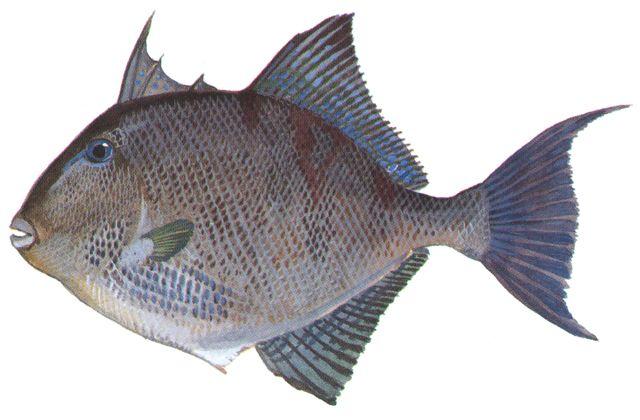
The Grey Triggerfish (Balistes capriscus) from the Balistidae family and Tetraodontiformes order is one of those fascinating fish that every angler should experience at least once. Also known as the Leatherjacket or Leatherneck, this distinctive ray-finned fish sports a pale grey to greenish-grey coloration with three broad dark stripes running across its body and striking blue upper eyes. What really sets them apart is their tough, leather-like skin and that unique trigger mechanism they use to lock themselves into crevices when threatened - it's like watching nature's own security system in action!
Grey Triggerfish Overview
These remarkable fish are true characters of the reef ecosystem, known for their bold personalities and opportunistic feeding habits. Found throughout the Atlantic waters from Nova Scotia down to Argentina, they're particularly abundant around Florida's coastal waters and the Gulf of Mexico. What makes them so notable for anglers is their aggressive feeding behavior and willingness to take almost any bait, though they're notorious for their nibbling technique that can frustrate even experienced fishermen. Their laterally compressed body and distinctive beak-like mouth make them unmistakable once you've encountered one.
Grey Triggerfish Habitat and Distribution
You'll find these adaptable fish thriving in both inshore and offshore environments, typically around hard-bottom areas, rocky ledges, and coral reefs up to about 180 feet deep. Their range extends from the western Atlantic Ocean, including the Caribbean Sea, Gulf of Mexico, and even Bermuda, with some populations having crossed the Atlantic via Gulf Stream currents to establish themselves around the British Isles and Mediterranean. They prefer seaward reefs, bays, and lagoons where they can easily dart into protective crevices when danger approaches. The key to finding them is looking for structure - anywhere there are rocks, reefs, or artificial structures, you're likely to encounter these territorial fish.
Grey Triggerfish Size and Weight
Most specimens you'll encounter range from 19 to 24 inches in length, though the average catch typically measures around 17 inches. These medium-sized fish pack quite a bit of weight for their size, with mature individuals weighing between 11 to 13 pounds. Their robust, compressed body shape gives them surprising heft, and when you hook into a larger specimen, you'll definitely feel the fight they put up. The size can vary significantly based on location and available food sources, with fish in nutrient-rich areas often reaching the upper end of the size spectrum.
Grey Triggerfish Diet and Behavior
As carnivorous opportunists, these fish have earned a reputation as the bulldozers of the reef ecosystem. They use their powerful, sharp teeth to crunch through hard-shelled prey like crabs, sea urchins, shrimp, and various invertebrates, often leaving a trail of destruction that smaller fish follow to feast on the leftovers. Their feeding behavior is quite aggressive - they'll pick apart coral formations to get at hidden prey and aren't shy about competing with other fish for food. This competitive nature makes them relatively easy to target with bait, as they'll often rush in to steal food from other species. Their daily behavior involves patrolling territory during daylight hours and retreating to protective crevices at night.
Grey Triggerfish Spawning or Seasonal Activity
During spawning season, typically in warmer months, these fish become even more territorial and aggressive. Males establish nesting sites in sandy areas near reefs where they create circular depressions for females to deposit eggs. The male guards the nest fiercely, making this period particularly exciting for anglers as the fish become more active and easier to locate. Seasonal movements often bring them into shallower waters during spring and summer months, making them more accessible to recreational fishermen. Their activity levels peak during dawn and dusk feeding periods, though they remain active throughout the day in productive areas.
Grey Triggerfish Techniques for Observation or Capture
The most effective approach involves targeting hard-bottom areas and reef structures using a 6 to 8-ounce sinker to get your bait down quickly to their preferred depths. Squid chunks about an inch wide work exceptionally well since they stay on the hook better than softer baits, and the key is maintaining constant line tension to feel those subtle nibbles before they steal your bait. A particularly effective technique is dropping your bait near other species like snapper or grouper - the competitive nature of these fish means they'll often charge in to steal food from their neighbors. Around popular fishing destinations, try fishing the edges of artificial reefs and bridge pilings where they tend to congregate. Keep your rod tip up and be ready to set the hook quickly, as they're notorious for testing the bait before committing to a full bite.
Grey Triggerfish Culinary or Utilization Notes
While they offer average eating quality compared to some other reef species, many anglers appreciate their firm, white meat when prepared properly. The key to good table fare is immediate cleaning and proper preparation, as the tough skin requires careful removal. Their meat has a mild flavor that takes well to various cooking methods, from grilling to frying, though some find the texture a bit firmer than preferred. They're also valued for their impressive fighting ability, making them a popular target for sport fishing. The sustainability aspect is important to consider, as proper size limits and seasonal restrictions help maintain healthy populations for future generations to enjoy.
Grey Triggerfish Frequently Asked Questions
Q: What is the best bait for Grey Triggerfish?
A: Squid chunks about an inch wide are the top choice because they stay on the hook well despite the fish's nibbling behavior. Shrimp, cut bait, and even small crabs work effectively, but squid's durability gives you the best chance of a solid hookup.
Q: Where can I find Grey Triggerfish in Florida waters?
A: Look for hard-bottom areas, artificial reefs, bridge pilings, and rocky ledges in both inshore and offshore waters up to 180 feet deep. Popular spots include reef systems off the Keys, Gulf Coast artificial reefs, and structure around inlets and passes.
Q: Are Grey Triggerfish good to eat?
A: They provide decent table fare with firm, white meat that has a mild flavor. While not considered premium eating like snapper or grouper, they're certainly edible when cleaned and prepared properly, though the tough skin requires careful removal.
Q: When is the best time to catch Grey Triggerfish?
A: Dawn and dusk feeding periods are typically most productive, though they remain active throughout the day. Warmer months often see increased activity as they move into shallower waters, and fishing around structure during incoming tides can be particularly effective.
Q: Why do Grey Triggerfish steal bait without getting hooked?
A: Their feeding behavior involves nibbling and testing bait before fully committing, which is why maintaining tight line tension and using durable baits like squid is crucial. Setting the hook at the first sign of movement rather than waiting for a strong pull often results in better hookup rates.
Q: How do I prevent Grey Triggerfish from breaking off once hooked?
A: Use sturdy tackle and reel steadily while keeping the rod tip up to prevent them from diving back into structure. Their first instinct when hooked is to head for the nearest crevice or reef, so applying consistent pressure to turn them away from cover is essential for a successful landing.
Lane Snapper Overview
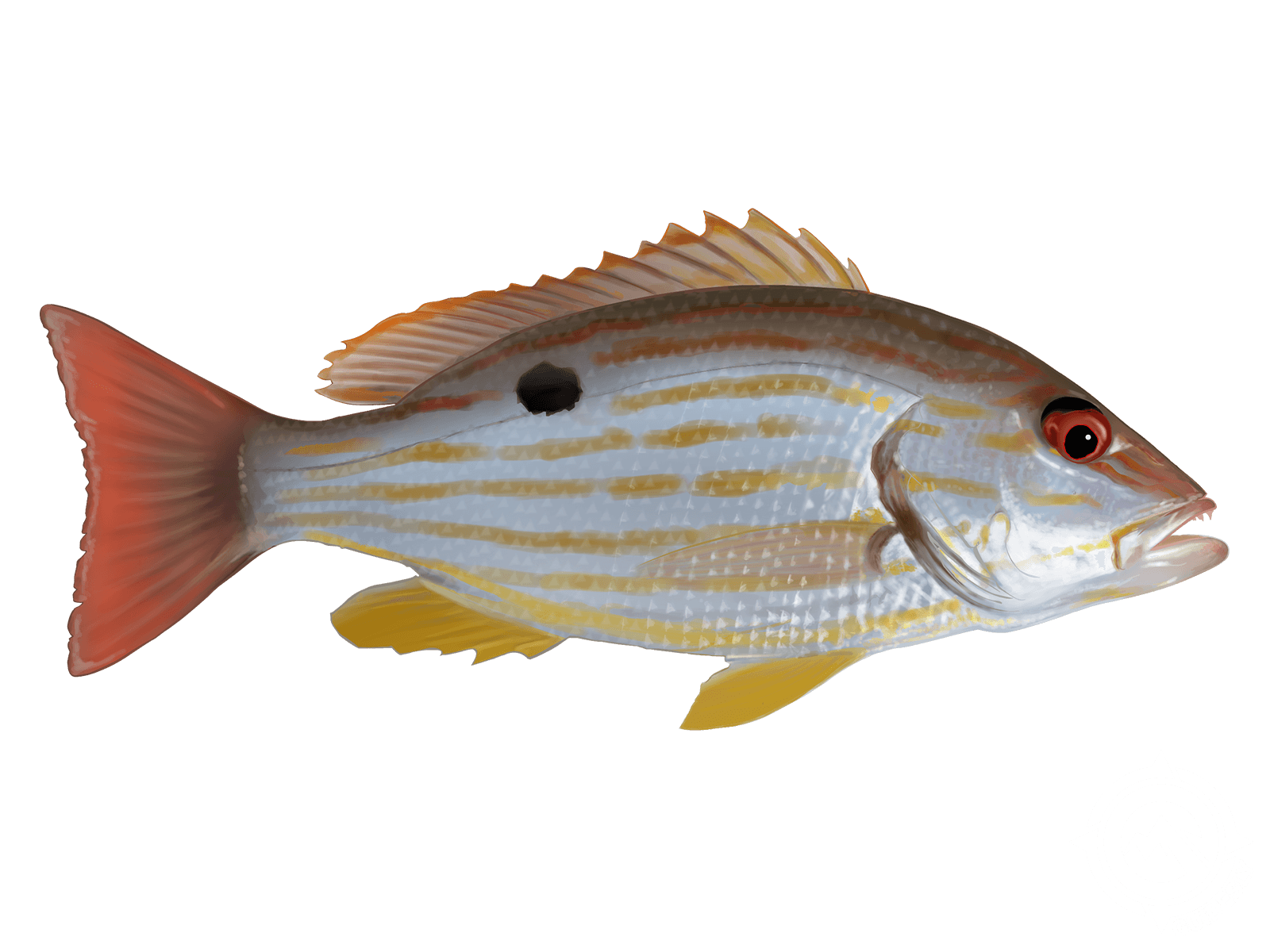
The Lane Snapper (Lutjanus synagris) is a vibrant and spirited member of the Lutjanidae family within the order Perciformes. This almond-shaped coral fish gets its name from the striking pink and yellow lines that run along its silver body, resembling colorful candy cane stripes or traffic lanes. Found throughout the western Atlantic Ocean from North Carolina down to Brazil, the Lane Snapper is a favorite among both recreational anglers and seasoned fishermen seeking an exciting catch with good food value. Known for their aggressive nature and willingness to strike, these fish are often referred to as a "dessert fish" by locals because they frequently end up in coolers as delightful bonuses when anglers are targeting red snappers and other species. What makes this species particularly fascinating is their documented ability to hybridize with closely related species like the Yellowtail Snapper, suggesting a genetic similarity that scientists continue to study with great interest.
Lane Snapper Habitat and Distribution
Lane Snappers thrive in diverse marine environments throughout the western Atlantic, with their range stretching from the coastal waters of North Carolina through the Gulf of Mexico, down the Caribbean, and as far south as Brazil. Higher population concentrations are typically found in the Antilles off the Panama Coast and along the northern coast of South America, making these regions prime destinations for fishing expeditions. Adult Lane Snappers generally remain in the same territory for their entire lifespan, showing strong site fidelity to their preferred hunting grounds. While these fish have been recorded at depths reaching 1,300 feet in offshore waters, they most commonly thrive between 69 and 230 feet of water. Larger specimens tend to congregate in relatively shallow waters, though they become less abundant in these areas. Their preferred habitats include coral reefs and sandy bottoms abundant with vegetation, where they can hunt effectively for prey. They adapt well to both pristine and murky water conditions, making them accessible to anglers in various coastal and nearshore environments. The species also inhabits the waters around Bermuda and throughout the Gulf of Mexico, providing excellent opportunities for targeting them across a wide geographic range.
Lane Snapper Size and Weight
Lane Snappers are generally modest in size compared to larger snapper species, typically ranging from 10 to 24 inches in length, with most fish averaging around 20 inches. While they're not considered trophy fish in the traditional sense, their spirited fighting ability makes them exciting quarry regardless of size. Weight-wise, these fish generally tip the scales at a minimum of 3 pounds, with average catches hovering around 7 pounds. The current world record for a Lane Snapper stands at an impressive 8 pounds and 3 ounces, a benchmark that motivates many anglers seeking their personal best. These size ranges make them excellent table fare as well—large enough to provide a satisfying meal yet small enough to handle with standard fishing equipment and coolers. Their compact but powerful build contributes to their reputation as scrappy fighters when hooked.
Lane Snapper Diet and Behavior
Lane Snappers are carnivorous bottom feeders with a diverse and opportunistic diet that reflects their aggressive hunting style. Their primary prey includes small crustaceans such as swimming crabs, mantis shrimp, rock shrimp, and freshwater shrimp, along with mollusks, snails, smaller fish species, and cutlassfish. These fish typically feed along the ocean floor, using their keen senses to locate movement and vibrations from potential meals. They are primarily nocturnal feeders, showing increased feeding activity during evening and nighttime hours, which is crucial information for anglers planning their fishing trips. Their behavior is notably less wary than many other game fish species—they don't hesitate to strike at hooks and lines with enthusiasm, though once hooked they put up a spirited battle that keeps anglers engaged. Lane Snappers often school together, particularly around structure like coral reefs and vegetated sandy areas, increasing the likelihood of multiple catches in productive zones. Their aggressive temperament and willingness to feed consistently throughout the day make them relatively easy to target compared to more cautious species.
Lane Snapper Spawning or Seasonal Activity
The spawning season for Lane Snappers extends from March through September, with activity intensifying during these warmer months when water temperatures are optimal for reproduction. Fish generally reach sexual maturity and reproductive readiness at around 6 inches in length, considerably smaller than their adult size. During the breeding season, anglers can expect to find Lane Snappers in large congregations, increasing the odds of successful catches significantly. The spawning mechanism involves eggs that drift freely in water currents, with remarkably rapid hatching occurring within just 23 hours of fertilization. This extended spawning period, spanning seven months of the year, means that productive fishing windows remain open for much of the warmer season. Understanding this seasonal pattern helps anglers plan trips during peak abundance periods when numbers are highest and feeding activity is most aggressive.
Lane Snapper Techniques for Observation or Capture
Method 1: Hook and Line with Live Bait
The most effective and popular technique for catching Lane Snappers involves traditional hook and line fishing with live or fresh-frozen baits. Optimal bait choices include live or dead shrimp, squid, fresh-cut bait, and small minnows—all of which readily entice these aggressive feeders. Target areas around coral reefs and vegetated sandy bottoms in inshore and nearshore waters, positioning yourself over structure where snappers naturally congregate. Fish during evening and nighttime hours when feeding activity peaks, or time your trips during the March-through-September spawning season when populations are densest. Use standard-weight casting or spinning gear suitable for bottom fishing, dropping your baited rig to depths between 69 and 230 feet where Lane Snappers most commonly hunt. Around Florida's Gulf Coast and the Caribbean islands, the combination of coral reefs and sandy structure near passes and drop-offs consistently produces excellent results.
Method 2: Synthetic Lures and Jigging
While live bait remains the primary choice, Lane Snappers also respond well to artificial lures, particularly small jigs and soft plastic baits that mimic their natural prey. Cast or jig these lures near coral head structures and along sandy bottom transitions where snappers patrol for food. This method works particularly well during peak feeding times and allows for more active fishing that covers larger areas. The aggressive nature of Lane Snappers means they strike decisively at moving targets, providing good odds for successful hook-ups when you locate productive zones.
Method 3: Night Fishing During Breeding Season
Capitalize on their nocturnal feeding behavior and spawning season congregation by planning night fishing expeditions from March through September. Use lights to attract baitfish and smaller organisms that snappers feed upon, which naturally draws the larger predators to your fishing location. Position yourself in nearshore waters between 69 and 230 feet deep over structure, keeping in mind that Lane Snappers often congregate in large numbers during these months.
Lane Snapper Culinary or Utilization Notes
Lane Snappers are considered good eating with firm, white flesh that takes well to various cooking methods. The food quality is rated as good odds, making them a worthwhile catch for anglers interested in fresh seafood. Their modest size of 7-8 pounds on average provides ideal portions for a family meal or small group feast. The flesh has a mild, slightly sweet flavor that appeals to most palates, making them excellent candidates for grilling, baking, pan-searing, or frying. Sustainability-wise, while they're not currently listed as endangered, practicing catch-and-release for smaller specimens and adhering to local regulations ensures continued healthy populations for future generations. Their versatility in the kitchen and consistent availability make them a staple target for culinary-minded anglers throughout their range.
Lane Snapper Frequently Asked Questions
Q: What is the best bait for catching Lane Snappers?
A: Live or fresh-frozen shrimp, squid, cut bait, and small minnows are all highly effective choices. Lane Snappers respond aggressively to these baits, particularly when presented on the ocean floor near coral reefs and vegetated sandy areas. The species is not particularly selective, making bait fishing highly productive compared to many other snapper species.
Q: Where can I find Lane Snappers near popular fishing destinations?
A: Lane Snappers are abundant throughout the Caribbean, Gulf of Mexico, and along the Florida coast, particularly around Bermuda and throughout the Antilles. Focus on inshore and nearshore coral reef structures in depths between 69 and 230 feet. Local fishing charters and bait shops in major ports can provide current information on productive zones and recent catches in your specific area.
Q: Is the Lane Snapper good to eat?
A: Yes, absolutely! Lane Snappers provide good-quality table fare with firm, white flesh that has a mild, slightly sweet flavor. Their average size of 7-8 pounds provides excellent portions for cooking, and they take well to grilling, baking, pan-searing, and frying. Many anglers specifically target them for both the fight and the meal.
Q: When is the best time to catch Lane Snappers?
A: The spawning season from March through September offers the best odds, as fish congregate in large numbers during these warmer months. Within each day, nighttime and evening hours produce the most aggressive feeding activity. Early morning hours just after sunrise can also be productive, though nighttime fishing typically yields superior results.
Q: Why are Lane Snappers called "dessert fish"?
A: This nickname refers to their frequent appearance as pleasant bonus catches when anglers are targeting other species like red snappers, grouper, and squid. They're not usually the primary target but rather an unexpected treat that ends up in the cooler—hence the dessert reference.
Q: Can Lane Snappers hybridize with other species?
A: Yes, Lane Snappers are known to cross-breed with Yellowtail Snappers and other closely related species, with documented hybrid catches occurring repeatedly. This genetic compatibility suggests that these species share more similarities than previously believed, and these hybrids are occasionally encountered by anglers fishing in overlapping habitats.